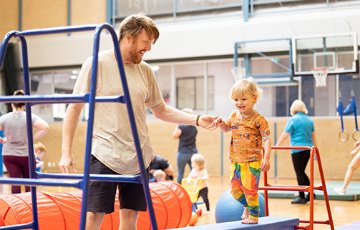
Toddler gym
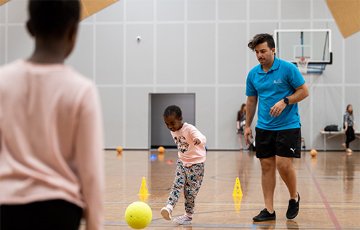
Toddler gym is a fun activity for kids ages 6 months – 4 years that runs during the school term.
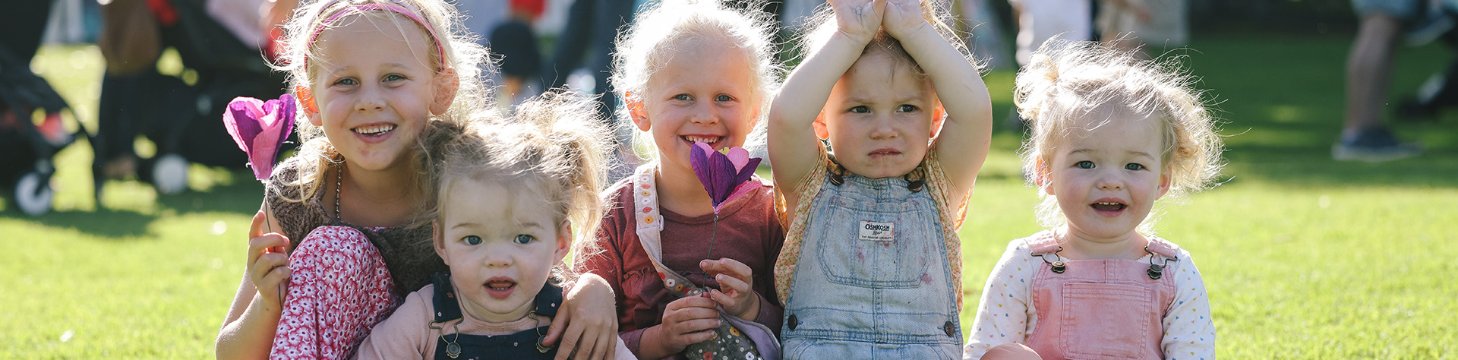
The City of Stirling supports a range of activities and programs for children and their families.
The City works collaboratively with external agencies and service providers to encourage and promote social and emotional development, language and connection to culture and community.

Playgroups are for children aged 0 – 5 with their parents, caregivers or extended family members. They offer a space for socialisation through play. Playgroup WA supports and advocates for playgroups in Western Australia. Their aim is for playgroups to be inclusive and accessible to everyone.
Toy libraries allow you to borrow from a vast range of toys that have been designed to support your child’s skill development and imagination. They have a range of benefits, including:

Community Child Health provides free healthcare services from birth to school age for your child and family. They provide a schedule of child health and developmental assessments to every child at key developmental ages. These include:
Find contact information for child health centres in the City of Stirling, offering specialist health care for newborns, infants, toddlers and children.

Australia's free government website for families and communities to find and compare services by quality ratings, fees, vacancies and inclusions.
Find quality children’s education and care services to give your child the best start. Compare services and build a shortlist. Most children's education and care services will have a National Quality Standard (NQS) rating. These are one way of helping families choose the best service for their children.

The Australian Schools Directory is a comprehensive list of primary and high schools within Australia. These include all Government (state) and private schools. This directory can identify schools based on location, religion, gender and boarding. Many schools have chosen to post further information about their schools with photos, a description of their facilities, academic programs and scholarships.
If you are looking for information on alternative schooling options, the Department of Education website will provide information on home schooling as well as community-based courses and exemptions.
As part of the Child Safe Organisations project, the Australian Government commissioned the National Children’s Commissioner to lead the development of National Principles for Child Safe Organisations. The National Principles aim to provide a nationally consistent approach to creating organisational cultures that foster child safety and wellbeing across all sectors.
The National Principles reflect ten child safe standards recommended by the Royal Commission into Institutional Responses to Child Sexual Abuse and are the vehicle for giving effect to recommendations relating to the standards. The National Principles have a broader scope that goes beyond child sexual abuse to cover other forms of potential harm to children and young people.
The National Principles are:

Image © Australian Human Rights Commission 2018
Child Safe - Australian Human Rights Commission
The Western Australian Council of Social Service (WACOSS), in partnership with the Council of Aboriginal Services Western Australia (CASWA), is working to strengthen organisational capacity for child safety across the state. Together, they are supporting the development of Aboriginal-led, culturally safe approaches that reflect the values and strengths of local communities.
The Child Safe Project has been helping small and medium-sized service providers implement the National Principles for Child Safe Organisations. Through this initiative, WACOSS and CASWA are equipping community service organisations with the tools and knowledge to become child-safe environments.
Community groups and organisations can access a range of free support, including workshops, webinars and one-on-one advisory services.
 Events for families and children
Connected Families provides free individual parenting support to improve the health and wellbeing of parents, carers and their children, by providing them with information and strategies around common parenting challenges.
Visit Communicare Connected Families
Ngala provides support to parents and carers with parenting challenges from pregnancy through to teenage years. Their services include the Parenting Line, residential parenting programs, early learning centres, and community-based initiatives that promote child development, mental health, and family wellbeing.
An online parenting resource which provides free, reliable, up-to-date information to help your family grow and thrive together.
The site is full of tips and tricks for you to try and answers hundreds of parenting questions.
The articles, videos and interactive resources are tailored to different ages and stages, taking you from nurturing a newborn to raising a confident, resilient teen as well as helping you to look after yourself as a parent.
Child and Parent Centres are easily accessible hubs – located at or near schools – that support families with children from birth to eight years old. These centres provide free programs and services such as playgroups, parenting workshops, child health services, speech therapy, and early learning activities. Families can also connect with other parents and access referrals to additional support services in the community. There are 22 centres located in WA with two located within the City of Stirling at Warriapendi and Westminster primary schools.
Visit the Child and Parent Centres website
Uplyft provides a wide range of support services that help children thrive and assist families in navigating challenges such as parenting, housing, and mental health. They offer programs tailored for parents, carers, and grandparents – including in-home support, early learning, foster care, and financial assistance – to ensure families feel supported and empowered in their caregiving roles.
The Communities Inclusion Connection Team assists individuals and families to connect with mainstream supports and specialised disability services.
This service operates a No Wrong Door approach. If they cannot help you, they will try to connect you with an agency that can.

City of Stirling kaadatj Nyoongar moort Nyoongar boodja-k Wadjak boodja-k. Ngalak kaadatj Nyoongar nedingar wer birdiya koora koora wer yeyi. Baalabang koondarm, malayin wer nakolak baalap yang ngalany-al. Ngalak dandjoo barn wer kaaratj bandang boodja-k.
The City of Stirling acknowledges the traditional custodians of this land, the Wadjak people of the Nyoongar Nation, and pays respect to the Elders both past and present for they hold the memories, the traditions, the culture and hopes of Aboriginal Australia.

_99dff3dd.jpg)

-2_4001d694.jpg)


