
This page provides information about keeping other domestic animals in the City of Stirling.
Residents are permitted to own rabbits, guinea pigs, rats and mice - provided they are domestic breeds. The animals must be kept in a safe and secure enclosure which prevents them from escaping. A person must not keep animals on any property in such number is likely to be a nuisance or risk to public health.
Large animals such as sheep, goats, pigs, alpacas, horses, deer, camels, llamas, geese, emus, ostriches, and kangaroos (or miniature forms of these animals) are not permitted in the City of Stirling.
If you experience an issue with one of the above listed animals, please lodge a health hazard request. Please be advised that the Environmental Health team receive a significant number of requests. Requests will be investigated in order of Public Health risk priority.
Bird flu (Avian influenza)
Bird flu (Avian influenza) rarely spreads to people; when it does, it is usually through close contact with infected poultry or contaminated environments. The Department of Health (WA) website includes information on how you can reduce your risk, symptoms and reporting requirements.
It is rare for bird flu to transfer from person to person, and the Australian Centre for Disease Control advises that the current risk of bird flu to people in Australia is considered low.
If you keep poultry at your residential property, you are strongly encouraged to register with the Department of Primary Industries and Regional Development (DPIRD). This allows authorities to contact you quickly if there is a disease outbreak in your area, and helps maintain Western Australia’s biosecurity system.
DPIRD has a detailed preparedness and response strategy, having worked closely with relevant state and national agencies, and provides a full list of resources and FAQs on their website.
Backyard poultry - registration and biosecurity
If you keep poultry at home, there are a few simple tips you can follow to help protect your birds and reduce the risk of disease.
- The City’s local laws allow you to keep up to six poultry per residential property. You are strongly encouraged to register with the Department of Primary Industries and Regional Development (DPIRD). This allows authorities to contact you quickly if there is a disease outbreak in your area, and helps maintain Western Australia’s biosecurity system
- In Western Australia,registration is required if you own 50 or more birds or operate an abattoir
- From a food safety perspective, anyone who sells eggs or poultry meat for human consumption (regardless of how many birds they own) is encouraged to register to support notification and tracing efforts.
Good hygiene and simple biosecurity practices go a long way:
- Keep poultry and wild birds separated
- Poultry must be kept in enclosed housing with impervious flooring (e.g., concrete or brick paving)
- Add netting to your existing structure if wild birds can enter the enclosure.
- Provide safe water - use mains or treated water (avoid open sources like ponds where wild birds drink)
- Clean, clean, clean- regularly clean feeders, water containers, equipment and housing
- Practice good hygiene
- Wash your hands before and after handling poultry
- Clean your boots or shoes before and after entering poultry areas.
Poultry, pigeons, and bees
There are set regulations for residential properties around keeping poultry, pigeons and bees. Please review the details on each below for more information.
Poultry includes a duck and any domestic fowl. Please note geese, turkeys or peafowl are not permitted to be kept.
Residential properties may keep poultry under the following conditions:
- A maximum of six poultry per property
- Roosters are not permitted
- Poultry must be kept in a clean, safe and secure enclosure which includes an impenetrable floor such as concrete or brick paving
- Poultry must be kept at least 10 metres from a building where people live and work or where food is stored, prepared or manufactured
- An enclosure must be at least one metre from any property boundary
- Poultry must be kept at least 10 metres from a footpath, street or public place, with the exception of rights-of-way.
Residential properties may keep pigeons under the following conditions:
- A maximum of 30 pigeons (unless the person is a member of a constituted pigeon club, in which case the maximum number of pigeons may be increased to 75)
- Pigeons must be kept within a clean, safe and secure enclosure
- An enclosure must be at least one metre from the property boundary
- Pigeons must be kept at least 10 metres from a building where people live and work or where food is stored, prepared or manufactured
- Pigeons must be kept at least 10 metres from a footpath, street or public place, with the exception of rights-of-way.
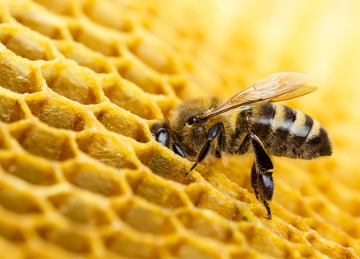
Beekeeping is permitted within the City of Stirling under the following conditions:
- The beehive is at least 10 metres from any footpath, street or public place
- The beehive is at least five metres from the property boundary
- The beehive is screened or positioned to ensure that the bees do not create a nuisance or pose a threat to the public
- Keeping three or more beehives requires a permit.
All persons keeping honeybees in WA, whether it is one hive or 1000, are legally required to register with the Department of Primary Industries and Regional Development (DPIRD). Please refer to the DPIRD website for further information on Becoming a beekeeper in Western Australia.
Apply for a beekeeping permit
If you intend to keep three or more beehives, please use the customer enquiry form and include a scanned copy of your beekeeping registration and a site plan showing the proposed location of the beehives.


