Future Stirling
Reviewing the Strategic Community Plan to guide the City’s long‑term direction.


To better understand what is means to be ‘a local’ our suburb profile seeks to understand the local stories Koora (past), Yeyi (present), Boordawan (future) and respond to Ngalang Maya (our place). This snapshot identifies the unique character of Osborne Park’s neighbourhood and helps the City rethink how we deliver services with a local focus.
Osborne Park was named after William Osborne, a butcher who owned an abattoir and land along Wanneroo Road and who was elected to the City of Stirling's predecessor, the Perth Road Board, in 1875.
View the Osborne Ward News brochure
Osborne Park was named after William Osborne, a butcher who owned an abattoir and land along Wanneroo Road and who was elected to the City of Stirling's predecessor, the Perth Road Board, in 1875.
Osborne Park was part of an original crown grant of 6,020 acres given to T. R. C. Walters in 1840. After the death of Walters in 1874, William Osborne bought part of his estate, which included the area now known as Osborne Park.
Many residents of Osborne Park at the beginning of the 20th Century were Chinese market gardeners who provided vegetables for the metropolitan area. Italian settlers continued the agricultural tradition in the area, utilising the swampland with its peaty soils and abundant fresh water.
Osborne Park gradually transformed into a residential suburb in the years following World War II, and the area later began to incorporate industrial uses. By the 1980s, industry had become dominant in most of Osborne Park, with only the northeastern area remaining predominantly residential.
Stirling Community Men's Shed.
These are the top local priorities you've told us are important for Osborne Park.
"The area feels unsafe, with lots of suspicious characters cycling, walking through the area, particularly the laneways. Some areas clearly have lots of drug use/dealing, especially in the big unit complexes and some of the Department of Housing properties. The traffic on McDonald Street is getting ridiculous and also unsafe, with lots of speeding vehicles and big trucks between the Freeway and Main Street."
The City currently operates 19 Ranger Service vehicles between 7.00am and 7.00pm, Monday to Sunday, with four Community Patrol vehicles operating 24/7, 365 days a year. Patrol locations and equipment deployment are guided by data, rather than a blanket approach, to ensure resources are focused on areas of greatest need. This includes the ability to increase the number of Community Patrol vehicles to up to seven during priority times.
The City, in partnership with other agencies, has established the Stirling Local Drug Action Team (SLDAT) and is now delivering a long-term Alcohol and Drug Plan 2025–2028.
To make a report, call the City's Community Patrol on 1300 365 356 (24/7 services) or report online.
Learn more about community safety initiatives in the City.
"Encourage more social, food and entertainment businesses to opens on Main Street precinct. Make this a pleasant hub for residents to spend time."
TThe City of Stirling is committed to fostering a vibrant and diverse local economy by supporting the growth of small businesses, including bars and restaurants. Through its Investment Attraction Framework, the City outlines strategic initiatives to unlock economic potential in key precincts, with a focus on creating lively, mixed-use destinations that encourage hospitality and entertainment ventures where appropriate. By streamlining processes for new businesses and offering targeted support, the City aims to increase the number of local enterprises and enhance community liveability.
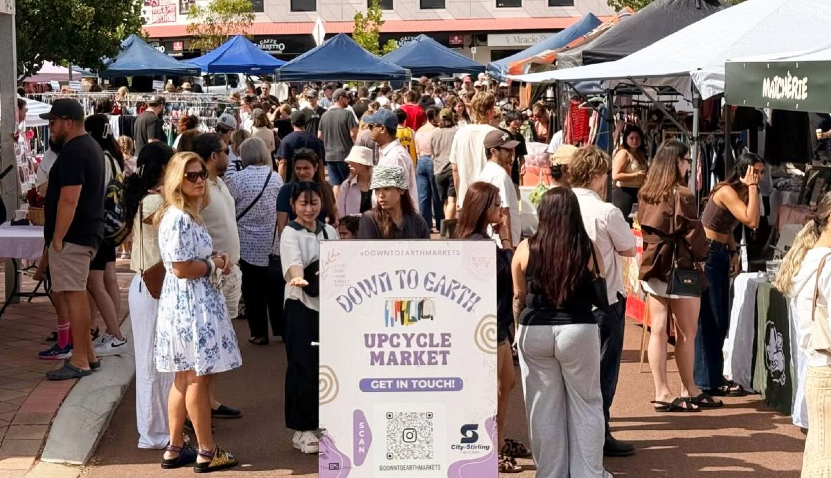
The City's Events and Sponsorship team is focused on curating a diverse calendar of events across the City, that supports local business and drives visitation to local areas, in turn creating a stimulus for local vibrancy and activity.
Learn more about support for businesses in the City of Stirling.
"Upgrade to Hutton/Main Street intersection."
Main Street, Hutton Street and Royal Street Intersection - Safety Enhancement Project is now complete.
This project has created a safer and more accessible environment for vehicles and pedestrians. The project is part of the State Government’s WA Recovery Plan and aligns with their commitment to invest in road projects that create and support local jobs and local businesses.
The enhancements are an important step toward realising the vision for the Main Street Centre to become a vibrant and welcoming space that people choose to frequently visit. This vision is underpinned by the Main Street Local Development Plan and the Main Street Urban Design Strategy which were developed following extensive community consultation.
"More community and social events."
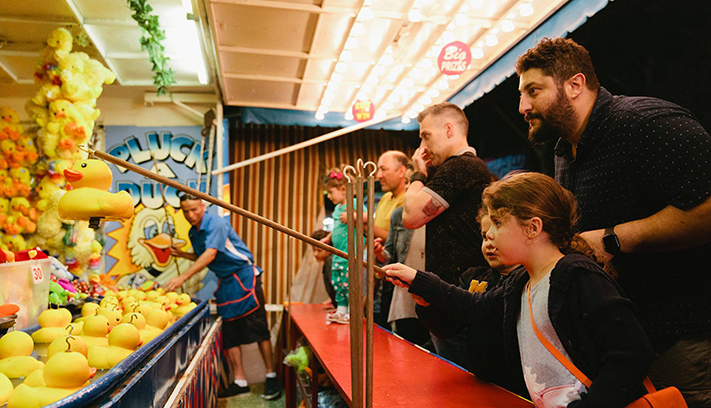
The key output of the City's Events and sponsorship service is to support the provision of enjoyable, high-quality, inclusive and accessible event experiences for the community, along with funding and support for local artists and events. The annual events calendar is curated to deliver a range of events across all areas of the City. Osborne Park is fortunate to have event infrastructure at the Main Street Piazza and Robinson Reserve which play host to a variety of events throughout the year including the annual Osborne Park Show and Love Our Mainstreet event program. The City's Events Calendar on the website is a great source of information on upcoming events, as is the City's Facebook page with a monthly 'What's On' listing, Stirling Scene e-newsletters, and Ward Brochures.
View the City's events calendar.
"More trees! We have many wildlife that have less and less homes. hardly trees for shade for people too. I also enjoy looking at trees."
Tree planting and greening continues on City-managed land, with an average of 8,000 trees planted each year. Budget has been allocated for ongoing planting programs in 2026, and the City is currently applying for State Government grants to bolster numbers. For now, more than 200 street trees are planned for planting in the Osborne Park Industrial Area across the 2026 and 2027 planting seasons.
Residential development was relatively dispersed in Osborne Park prior to the 1950s, with a single node of housing along Main Street. After the 1950s housing construction began in the eastern sector of Osborne Park, though most remaining dwellings date from the 1960s and 1970s.
Houses are generally single detached brick and tile dwellings, though there are some character houses of timber construction interspersed throughout the area.
Numerous unit developments have appeared more recently and are built in a range of modern styles and materials.
The Osborne Park industrial area contains numerous showrooms, retail outlets and offices. It is also a significant employment centre for Perth's northern suburbs. The most recent addition to the industrial area has been Herdsman Business Park, which houses a range of commercial developments including the City's largest employer—West Australian Newspapers.
Within the residential areas of Osborne Park there are five small recreational parks, totalling 1ha. Herdsman Lake also provides a large area of open space, which is used by both local and regional residents. Herdsman Lake is the suburb's largest park, and is an important active and passive regional recreation area as well as a wildlife sanctuary.
The locality contains several privately owned recreational facilities, including gymnasiums and indoor sporting centres. Osborne Primary School is located in the centre of the suburb's residential area.
The recently refurbished Main Street commercial centre is one of the suburb's most attractive features and brings people from all over Perth to dine at its many multi-cultural and traditional cuisine restaurants and cafes and shop in a wide range of specialty stores.
Opened in 1903, the Osborne Primary School was established for the children of market gardeners and daily farmers in and around Osborne Park. When it first opened, the school had 17 students, but was extended over many years to accomodate increasing student numbers, particularly during the post war expansion of Osborne Park. The school is valued by the local community as the focus of sate-operated education for more than a century and by its past students, many of whom are long-time residents of Osborne Park.
 News
News Local events


City of Stirling kaadatj Nyoongar moort Nyoongar boodja-k Wadjak boodja-k. Ngalak kaadatj Nyoongar nedingar wer birdiya koora koora wer yeyi. Baalabang koondarm, malayin wer nakolak baalap yang ngalany-al. Ngalak dandjoo barn wer kaaratj bandang boodja-k.
The City of Stirling acknowledges the traditional custodians of this land, the Wadjak people of the Nyoongar Nation, and pays respect to the Elders both past and present for they hold the memories, the traditions, the culture and hopes of Aboriginal Australia.