Future Stirling
Reviewing the Strategic Community Plan to guide the City’s long‑term direction.


The local community describes Stirling as a clean, green and friendly neighbourhood. To better understand what is means to be ‘a local’ our suburb profile seeks to understand the local stories Koora (past), Yeyi (present), Boordawan (future) and respond to Ngalang Maya (our place). This snapshot identifies the unique character of Stirling’s neighbourhood and helps the City rethink how we deliver services with a local focus.
The suburb of Stirling was named after Admiral Sir James Stirling, who explored and colonised the Swan River and was the first Governor of Western Australia.
The suburb of Stirling was named after Admiral Sir James Stirling, who explored and colonised the Swan River and was the first Governor of Western Australia. Stirling was originally an extension of the Osborne Park market garden area, with the fertile swampy land used for rural purposes. The locality remained part of Osborne Park until 1976, when it was officially gazetted as Stirling.
Subdivision commenced in 1978 and continued throughout the 1980s and 1990s, with small pockets of land still being built upon today. Stirling is now almost completely developed and contains several regional facilities.
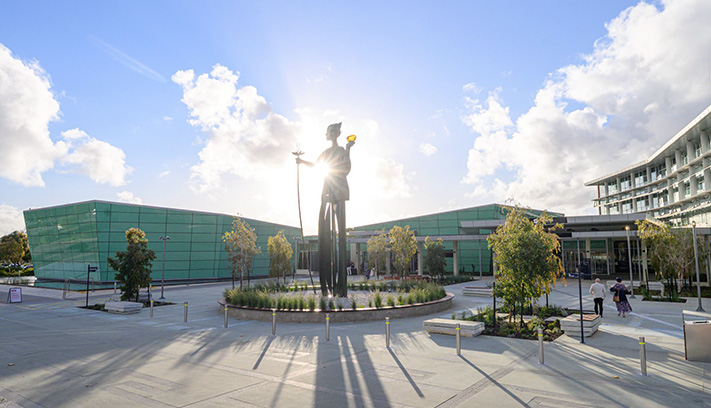
The Stirling Regional Centre includes the Stirling Civic Gardens subdivision, City of Stirling civic complex and crosses the Mitchell Freeway to include the Stirling train station and reaches as far as the Innaloo shopping and commercial precinct on Scarborough Beach Road. The future development of the Stirling Regional Centre will also add to the strategic importance of the area.
These are the top local priorities you've told us are important for Stirling.
"Review of parking at the train station"
The control and management of parking around Stirling Station is the responsibility of the State Government under the Public Transport Authority (PTA).
Enquiries can be submitted directly to the PTA.
"Improved playground equipment in local parks"
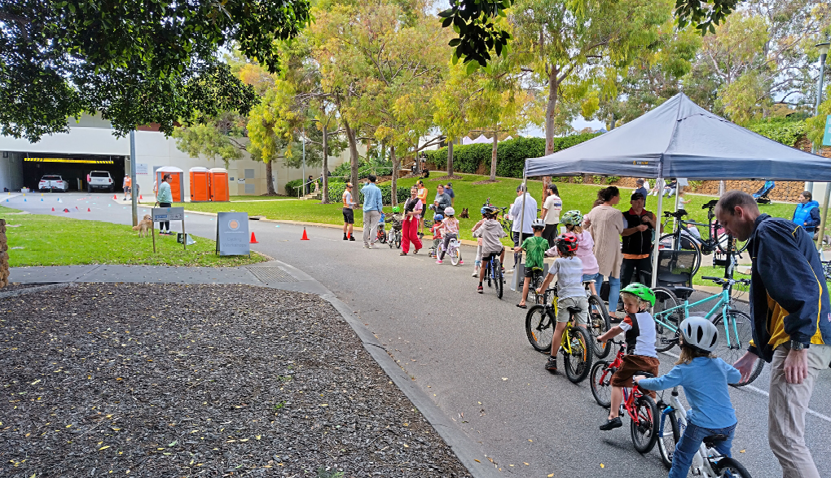
"Better parks for the kids - scooter park/bike park and bike path need to be prioritised and fixed up. Pedestrian crossings needed for major roads."
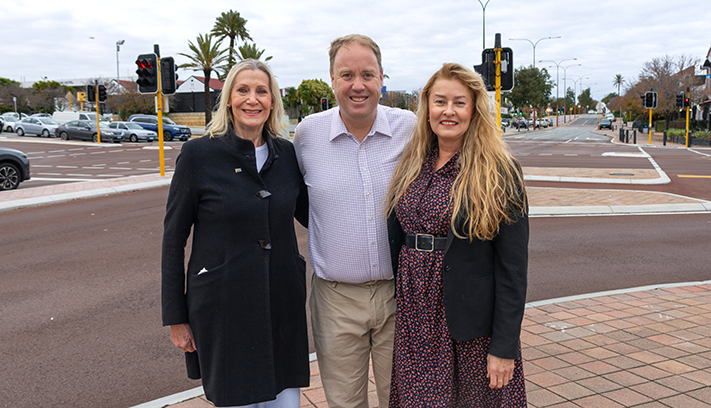
Through the 2025 State Elections the State Government has committed funding through the Member for Balcatta David Michael MLA to deliver local park improvements at Caratti Reserve, Shearwater Spoonbill Reserve and Sheldrake Reserves in Stirling.
"Tree planting."
"More green areas."
Through the 2025-26 plan and budget, 8,000 trees were planted in parks and verges. More than 400 of these are planned to be planted in Stirling over winter 2026. Furthermore, the City has increased tree watering from two years to three years for new trees to mitigate early loss. An additional 784,000 trees and shrubs will be planted across the City by 2040.
Learn more on the Living Green Program webpage, or sign up for the Living Green newsletter for more updates.
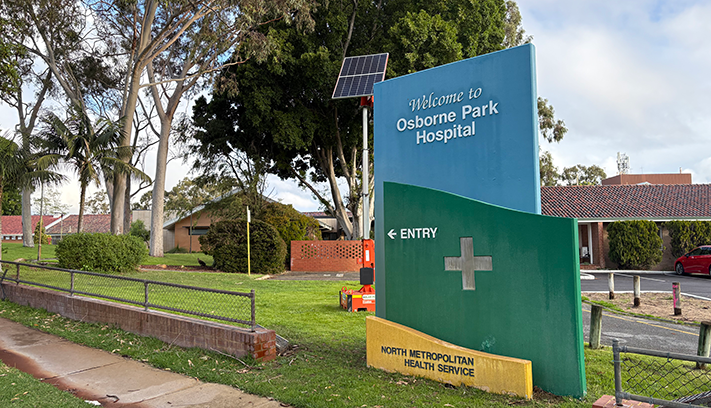
Residential development occurred rapidly in Stirling after the subdivision of land. Single detached dwellings on relatively large lots dominate the suburb. The majority of houses are of modern brick construction. The design of many houses reflects Southern European influences and there is also a high proportion of 2-storey residences. There are some older homes adjacent to Osborne Park Hospital that date from the 1970s.
The Stirling Village shopping centre contains a supermarket and numerous specialty shops to provide for retail and commercial needs within the suburb. There are also a number of smaller stores scattered throughout Stirling that serve daily grocery requirements.
The many parks and reserves in the suburb cater for active and passive recreation and contain facilities ranging from sports fields to children's play equipment and lawn bowls. Stirling has 58ha of public open space including 36 local open spaces, four community open spaces and one district open space.
The Stirling Civic Gardens is located on Cedric Street, opposite the City of Stirling Administration Building.
The reserve contains winding pathways, beautiful gardens and natural areas with a playground - perfect for families to enjoy year round.
 News
News Local events


City of Stirling kaadatj Nyoongar moort Nyoongar boodja-k Wadjak boodja-k. Ngalak kaadatj Nyoongar nedingar wer birdiya koora koora wer yeyi. Baalabang koondarm, malayin wer nakolak baalap yang ngalany-al. Ngalak dandjoo barn wer kaaratj bandang boodja-k.
The City of Stirling acknowledges the traditional custodians of this land, the Wadjak people of the Nyoongar Nation, and pays respect to the Elders both past and present for they hold the memories, the traditions, the culture and hopes of Aboriginal Australia.



.jpg)