
Community workshops sharpen focus for Future Stirling
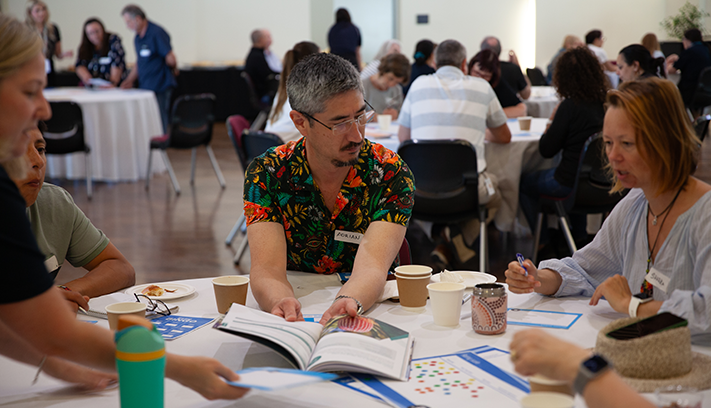
Community workshops held as part of Phase Two of Future Stirling have helped refine the City of Stirling’s priorities for the next decade.
Bringing residents directly into conversations about complex and long‑term challenges facing the City, Phase Two moved beyond traditional consultation.
The deliberative engagement approach used saw a diverse group of residents weigh up trade‑offs, test ideas and build on insights gathered earlier in the engagement process.
Across five facilitated workshops, participants worked through key themes emerging from more than 1,600 survey responses collected during Phase One, helping to clarify what matters most to the community and where Council should focus its efforts over the next 10 years.
The workshops explored what the community said matters most, including better transport and connectivity, housing diversity, safer neighbourhoods, future‑proofed facilities, community events and protecting the natural environment, enabling residents to consider different perspectives and the practical implications of long‑term decisions.
As an outcome of the workshops, we heard that people want the City to prioritise conserving and enhancing natural ecosystems, increase tree planting and improve the quality and identity of local areas. Residents also told us they value facilitating social connections, easy access to services locally, recreation and leisure opportunities and safe cycleways and pathways that link people and places.
The outcomes of Phase Two will directly inform the next stage of Future Stirling, including the development of focus areas within the City’s Strategic Community Plan, which guides all major projects, services and programs.
Future Stirling is the City’s three‑phase community engagement process supporting the review of its Strategic Community Plan.
The final phase will include a series of Future Forums in early 2026, where community representatives will play a key role in finalising priorities for the decade ahead.


