
What you need to know about H5 avian influenza (bird flu)
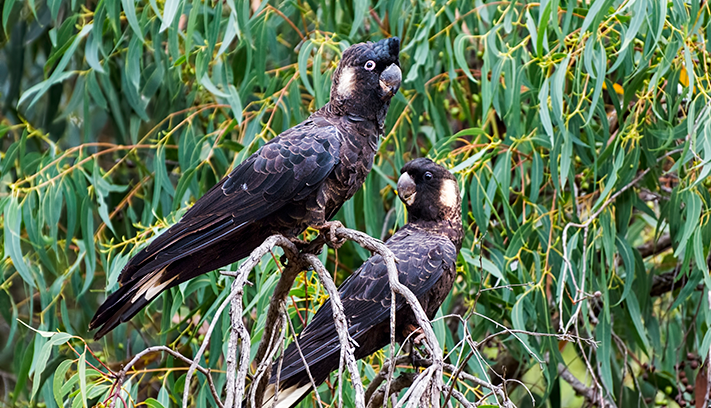
H5 bird flu is a serious and highly contagious strain of bird flu that has moved quickly around the world.
There have been 10 detections in WA in individual, migratory seabirds, but no local transmission.
Wild, farmed and pet birds can all catch H5 bird flu, and unlike other strains, more than 60 mammalian species have been infected overseas.
It spreads between animals via infected droppings, contaminated environments and close contact. Human infections are rare, but can occur after close contact with infected birds, animals or contaminated environments.
Australia has well-established national response arrangements in place to respond to emergency animal diseases, but limiting the impact of H5 bird flu is a shared responsibility.
Whether you’re walking along the beach, visiting a wetland, enjoying a local park or working with animals, staying alert and reporting unusual bird deaths can make a real difference.
If you suspect a case of H5 bird flu, it needs to be reported. Your report could provide valuable information that helps limit the impact of H5 bird flu on our wildlife, pets and Australia’s poultry industry.
Do not rescue, touch or move sick or dead birds or mammals with suspected bird flu, instead:
- Report any unusual sickness or multiple deaths in wildlife via the Emergency Animal Disease Hotline on 1800 675 888
- Avoid contact with sick or dead wildlife and their environment. Do not allow pets to touch or eat sick or dead wildlife
- Record what you see, the location the animal was found and take photos or video.
Unusual behaviours and symptoms to watch for in birds and mammals include:
- Difficulty moving such as droopy wings, dragging legs and lying down
- Unusual behaviour or posture – twisting of the neck, paralysis, staggering
- Head or limb swelling
- Tiredness/lethargy or reluctance to walk, eat or drink
- Respiratory signs such as panting, nasal discharge or sneezing
- Diarrhoea
- Sudden death or deaths of multiple birds.
If you keep backyard chickens, pigeons or other birds, good biosecurity is your best defence against H5 bird flu.
Where possible:
- Register your backyard poultry
- Keep feed and water away from wild birds
- Clean equipment regularly
- Limit unnecessary contact between your birds and wild birds
- Report any unusual illnesses or deaths to the Emergency Animal Disease Hotline on 1800 675 888.
Learn more at www.wa.gov.au/birdflu


