
Coolbinia FOGO Trial shows encouraging early results
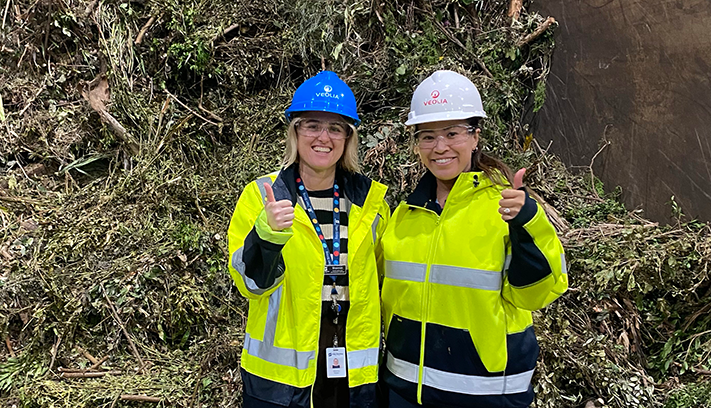
Early results from Coolbinia’s Food Organics and Garden Organics (FOGO) Trial show residents are getting behind the change.
In just the first four weeks of the 24-week trial, 29.54 tonnes of food and garden organics has been diverted from landfill – roughly the weight of 20 average cars.
That equates to a recovery rate of 97-98 per cent recovery rate, which is typically seen in well-established FOGO systems rather than in the first month.
Contamination levels are tracking low at just 2-3 per cent, mostly from cardboard and plastic bags used to tie up green waste, which is expected to improve as residents become more familiar with FOGO waste sorting under the City of Stirling initiative.
Organic waste sent to landfill creates methane, a powerful greenhouse gas. By diverting this FOGO material away from landfill the City can make a positive environmental impact.
Where does it go?
Once collected, Coolbinia’s FOGO material is taken to Veolia’s Bibra Lake FOGO Transfer Station, where loads are checked and obvious contamination removed. It is then loaded into bulk transport trucks and delivered to Veolia’s North Bannister Organic Resource Recovery Facility for processing.
There, the material is further screened with machinery and laid out in large compost piles on aerated platforms. Air is pumped through the piles to help control oxygen levels and support the composting process. Over 18-20 weeks, the material is transformed into a high-quality soil conditioner.
This final product is commonly used in landscaping, agriculture and potting mixes, returning nutrients to the soil rather than sending them to landfill. Later in the trial, Coolbinia households will also have the opportunity to try out the FOGO compost in their home gardens, demonstrating how they can be part of the circular economy at home.
Veolia is the City’s contracted provider for waste processing and kerbside collections, including FOGO. Their operations are subject to strict contractual and reporting requirements, helping ensure materials are managed safely, responsibly and in line with environmental standards. All compost loads produced are subject to rigid testing to meet the Australian Standard AS4454 for composts, soil conditioners and mulches.
What’s next?
The trial will continue with ongoing community dialogue, including through the dedicated Facebook group, mid-trial workshops and an evaluation survey.
For more information, visit the project webpage.


