Conservation projects

Conservation Projects
  • Open date

Last update date: 03 November 2025

The City of Stirling's Conservation Program aims to protect, enhance and reduce threats to our natural ecosystems and biodiversity. 

There are 71 bushland conservation reserves within the City’s boundaries. These reserves are maintained by conservation programs as specified in the Bushland Conservation Plan. The City also has 150 smaller reserves that link to major bushland reserves.

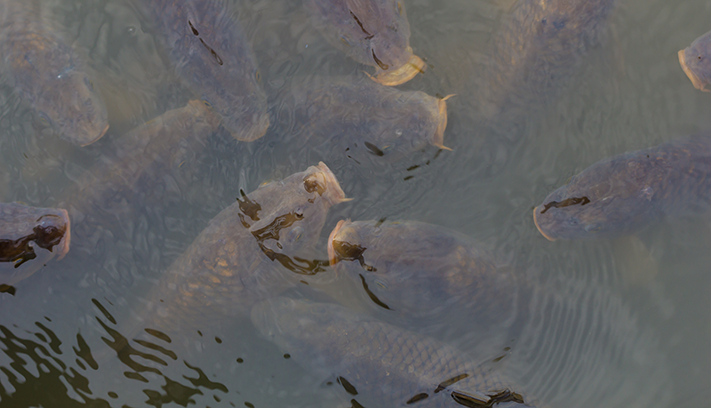
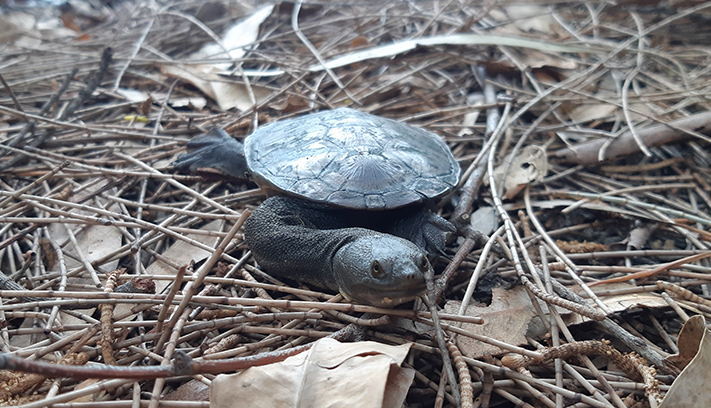
We are lucky enough to share our City with a wide variety of native animals. Wildlife in the City’s parks, reserves and beaches is highly diverse and includes numerous birds, reptiles, frogs, marine life and marsupial species.

2025/26 Closed consultation projects

In partnership with the community, the City is creating a permanent interpretive trail through Trigg Bushland Reserve.

The Trigg Bushland Story Trail will celebrate the native flora and fauna, ancient pathways and changing landscape.

Background

As part of the Citywide Trails Program, the City of Stirling is developing a permanent interpretive trail through Trigg Bushland Reserve. The Citywide Trails Program was presented at the Community and Resources Committee Meeting Agenda on 19 August 2025

Just minutes from the coast, Trigg Bushland Reserve spans 170 hectares as a Class A Reserve, is recognised as a Bush Forever site and listed on the State Heritage Register.

It’s a significant remnant of coastal bushland, showcasing diverse flora and fauna on ancient sand dune systems. From Rottnest Island Pines to Tuart trees, the area is a peaceful retreat for locals and visitors alike.

The project aims to enhance community connection, celebrate local heritage, and promote environmental education through accessible and engaging public spaces.

Phase

Consultation: 16 September to 14 October 2025

Trail development: October 2025 to June 2026

FAQs

What will the trail offer?

The trail will offer an immersive experience with interpretive signage sharing stories about the area’s unique biodiversity and geology, history and changing landscapes.

2024/25 Closed consultation projects

Project:

The City of Stirling will be installing a Bird Waterer at Millett Park. This park has been identified as a suitable site based on Black Cockatoo data collected by Birdlife Australia.

Outcome:

The Bird Waterer or Cockitrough is a specially designed watering station aimed at supporting native bird species, particularly the endangered Black Cockatoos. It provides a safe, clean, and consistent water source, helping birds thrive in urban areas and combat challenges posed by reduced rainfall and climate change.

Phase: Complete (April – May 2025)

Project:

The City of Stirling will be installing a Bird Waterer at Rannoch Tay Earn Reserve. This Reserve has been identified as a suitable site based off Black Cockatoo data collected by Birdlife Australia.

Outcome:

The Bird Waterer or Cockitrough is a specially designed watering station aimed at supporting native bird species, particularly the endangered Black Cockatoos. It provides a safe, clean, and consistent water source, helping birds thrive in urban areas and combat challenges posed by reduced rainfall and climate change.

Phase: Complete (April – May 2025)

Project: Dianella Regional Open Space, Dianella - Fencing

Upgrades include the installation of new fencing to prevent access to drain.

Outcome: Fencing upgrades - As part of the City's work to protect, enhance and reduce threats to our natural ecosystems and biodiversity, the City is undertaking essential works to reduce the spread of Phytophthora Dieback (plant death caused by a plant pathogen), enhance bushfire recovery and/or minimise human impacts on our conservation areas.

Phase: Complete 

Map: 

PRK_DianellaDrain_1348x965.jpg

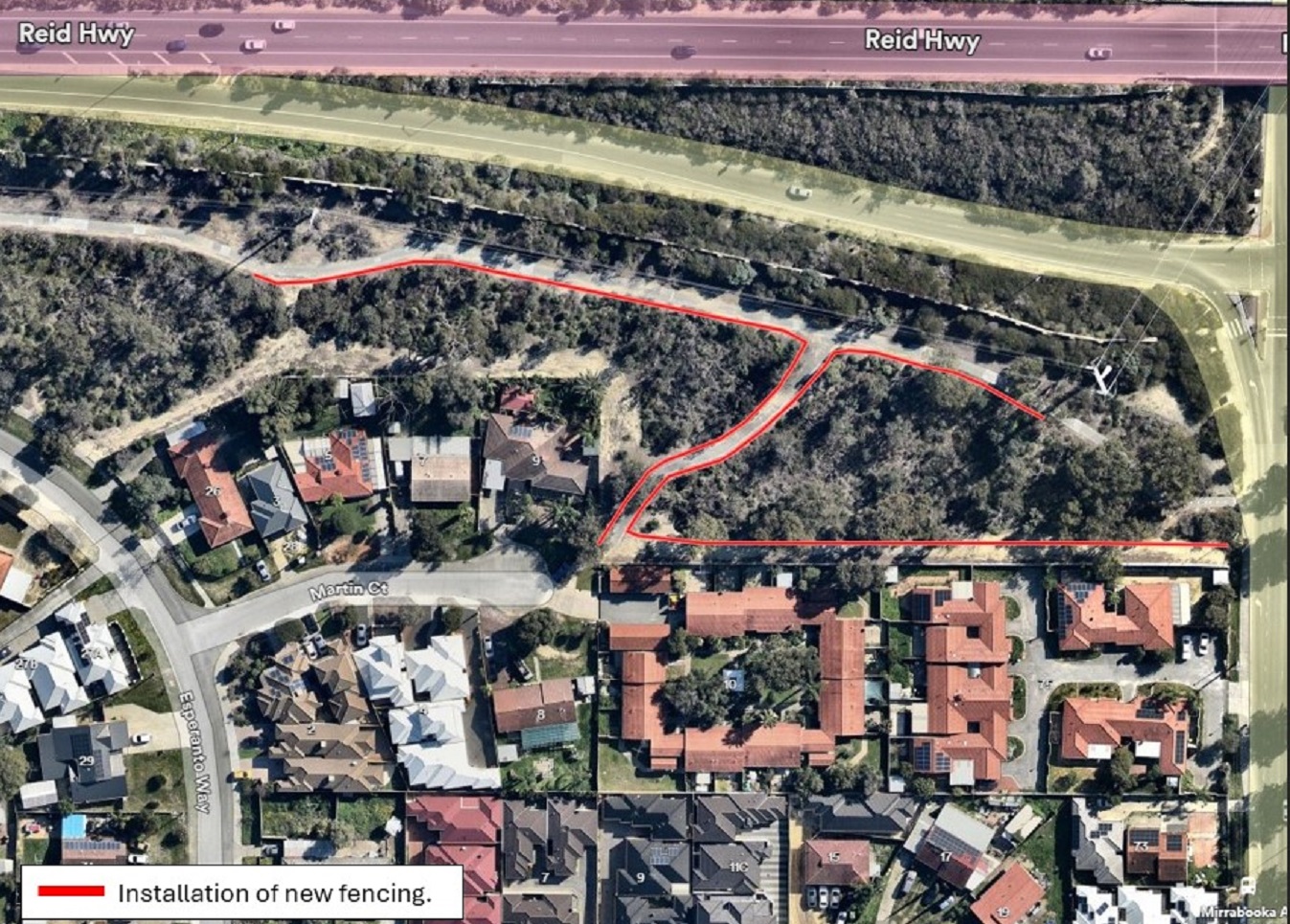
Project: Esperanto Martin Reserve, Westminster - Fencing.

Upgrades include the installation of new fencing.

Outcome: Fencing upgrades - As part of the City's work to protect, enhance and reduce threats to our natural ecosystems and biodiversity, the City is undertaking essential works to reduce the spread of Phytophthora Dieback (plant death caused by a plant pathogen), enhance bushfire recovery and/or minimise human impacts on our conservation areas.

Phase: Complete

Map:

PRK_Esperanto-Martin_1348x965.jpg

Project: Jeanes Prisk Reserve, Karrinyup - Fencing.

Upgrades include the replacement of existing fencing.

Outcome: Fencing upgrades - As part of the City's work to protect, enhance and reduce threats to our natural ecosystems and biodiversity, the City is undertaking essential works to reduce the spread of Phytophthora Dieback (plant death caused by a plant pathogen), enhance bushfire recovery and/or minimise human impacts on our conservation areas.

Phase: Complete

Map:

PRK_Jeanes-Prisk_1348x965.jpg

Project: Memory Place/Abbeybrook Reserve, Churchlands - Fencing.

Upgrades include the replacement of existing fencing as well as the installation of some new fencing.

Outcome: Fencing upgrades - As part of the City's work to protect, enhance and reduce threats to our natural ecosystems and biodiversity, the City is undertaking essential works to reduce the spread of Phytophthora Dieback (plant death caused by a plant pathogen), enhance bushfire recovery and/or minimise human impacts on our conservation areas. Phase: Complete

Map:

PRK_Memory-Place_1348x965.jpg

Project Update:

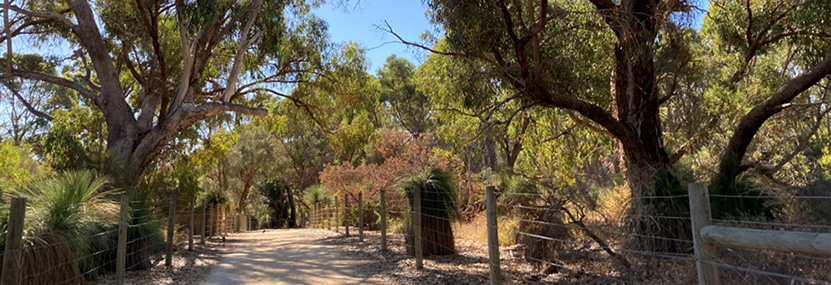
Based on our conversations with the community and their priorities, the City will install fencing that blends more naturally with the environment in the proposed area of Star Swamp Reserve. This aims to support more immersive walking experiences in the bushland. The fencing will be lower in height and set back from the path where possible, while still maintaining its conservation value. Fencing installation was scheduled for early 2025 and is now complete.

Project: In recent years, Star Swamp Reserve has experienced multiple fires. Although progress has been made to restore the area under the supervision of the City’s Bushfire Management Officer and the Conservation and Wildlife team, the City has consulted with the community to take additional measures for the protection and recovery of this area. This includes fencing informal tracks in the fire-affected zones, while ensuring access to sealed and limestone paths within the reserve remains unaffected.

Through our engagement with the community in 2024, including signage in the area, resident letter drops, and drop-in sessions, we have identified the following community priorities:

What we’ve heard:

  • Protecting habitats for unique, threatened, and endangered wildlife such as rainbow bee-eaters, quendas, and cockatoos
  • The importance of having immersive walking experiences in the bushland
  • Protecting quenda and managing interactions with dogs
  • Ensuring adherence to dogs being on leads
  • Enabling wildlife to escape fires Preventing fires in the bushland
  • Allowing access for firefighters.

Top 10 Community Values for North Beach:

These are based on Local Convos undertaken by our Community Engagement team for North Beach:

  • 82% Elements of the natural environment 
  • 54% Protection of the natural environment.
  • Next Steps - Star Swamp Reserve.

FAQs

How does the City decide which conservation reserves to upgrade?

The City’s Conservation Program is reviewed and updated annually, and reserves are prioritised for upgrades based on a range of factors including biodiversity value, threats present and existing management strategies. The City undertakes reserve maintenance inspections of all conservation reserves at a minimum of twice yearly and sometimes quarterly. This information determines the management strategies required, such as weed removal, general maintenance, restoration or conservation infrastructure upgrades. We also take into consideration available budget and resources.

Will the conservation area be revegetated?

The City undertakes reserve maintenance inspections of all conservation reserves at a minimum of twice yearly and sometimes quarterly. This information determines the management strategies required, such as weed removal, general maintenance, restoration or upgrades. Often before revegetation projects can be implemented, significant weed removal works need to occur. The sites at which this occurs will vary City wide and change annually.

Will the conservation area be open and accessible to the public?

The City seeks to reduce the spread of Dieback (plant death caused by plant pathogens), enhance bushfire recovery and/or minimise human impacts on our conservation areas. Therefore interventions and strategies used will vary site to site, but may include the direction of public access to only official pathways (if present) to protect the reserve’s biodiversity.

Will I be able to use the conservation area while works are in progress?

The conservation space may be closed when active works are taking place. We ask that you take care when using the reserve if any construction works are underway.

What is Phytophthora Dieback, what causes it, and how does it spread?

Phytophthora Dieback (referred to as dieback) is caused by the plant pathogen, Phytophthora cinnamomic, which kills native plants, such as banksias, eucalypts/gum trees, and grass trees. In addition, many of our garden, ornamental and horticultural species are also susceptible to this pathogen. Phytophthora Dieback is a type of water mould that lives in soil and attacks the roots of plants. It is called ‘dieback’ because eventually the plants die from rotting roots, lack of nutrients and water. Phytophthora Dieback is found in many areas of the City including bushland areas, reserves, road verges, and gardens. It spreads by moving through soil (particularly moist/wet soils) and water (run off). This means it can be easily transported by humans, muddy shoes, bicycles, vehicles, equipment and less commonly domestic or feral animals. Although specialised treatments can help, there is no cure, so preventing the spread is the main source of control to protect and preserve biodiversity. Please visit the Project Dieback to learn more, or view South Coast NRM's dieback video.

Do fire affected areas need to be fenced?

Bushlands will respond naturally to fire, however disturbances to the soil ash bed may impact resilience. Fencing a fire affected area allows the City to carefully manage the response to fire by restricting disturbances such as foot traffic and minimising erosion and weed spread.

How does the City restore fire affected areas?

Natural recovery of fire affected areas can be facilitated in several ways. The most important factors in recovery are reducing foot traffic over the soil ash bed and maintaining invasive weeds to allow native recruitment to occur. The City undertakes monitoring and targeted weed control when required.

Will fencing prevent fires from occurring?

The purpose of fencing in fire affected areas is to allow recovery without the added pressure of erosion caused by foot traffic, weed dispersal and trampling of new seedlings. It is not to prevent fire from occurring and rather to allow better recovery of the natural environment.

Will fences hinder or impact access for firefighters?

No, to access a bushfire, emergency responders will cut through the fence if required. The City works closely with DFES to ensure access into our reserves.

Will fences impact the ability for wildlife to escape fire?

The fencing design used in many of our reserves have been designed for conservation purposes and wildlife in mind. It allows the access of the small – medium sized animals in and out of reserves. The only large mammal that would be impacted by fencing includes kangaroos and the City monitors their presence.

Will the fences be removed?

Any fences installed will remain in place for the life of the fence.

How do I submit an enquiry?

Enqueries can also be directed to the City's Parks and Environment team by calling 9205 8555 or via www.stirling.wa.gov.au/enquiry.

Icon for Related events Related events

Share this page